AI Lead Generation: A Follow-Up System That Converts
AI lead generation works best when it connects a real customer question to a clear, timely next step. For a small business, that does not mean automating every conversation or buying more attention. It means making it easier for the right people to reach you, capturing what they need, and following up consistently. With a thoughtful process, a CRM and AI tools can help turn more inquiries into useful conversations—and give owners more time to focus on serving customers.
The opportunity is practical: build a dependable path from first contact to a booked conversation, estimate, visit, or sale. This guide explains how to design that path, where Voice AI can help, and what to review so the system supports making money for small business without feeling impersonal.
What AI lead generation should do for a small business
Lead generation is not only about attracting names. A useful process helps a prospect ask a question, receive an appropriate response, and understand what to do next. AI can assist with repetitive steps—sorting an inquiry, collecting basic details, drafting a reply, or reminding a team member to follow up—while people remain responsible for judgment, promises, and sensitive conversations.
Start with the questions customers already ask. A home-service company might need the service address, job type, and preferred timing. A consultant may need the business challenge and desired outcome. A retailer may need product availability or delivery details. Keep the first interaction focused on information that helps someone respond; avoid collecting details you do not need.
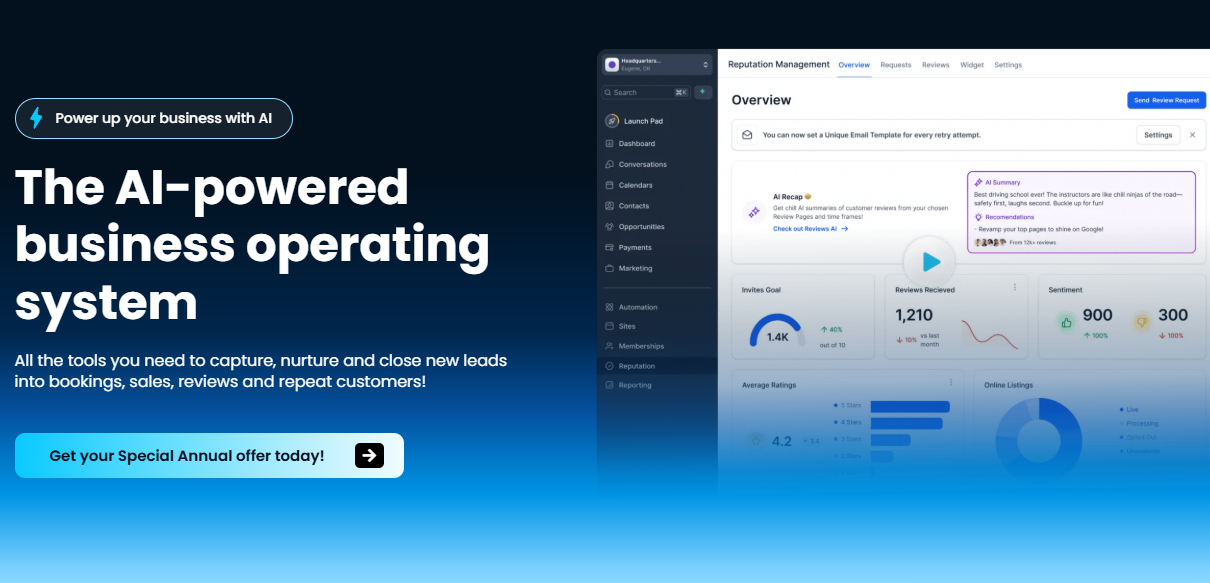
Think of AI lead generation as a connected workflow rather than a single tool. A website form, message, or phone call should lead to a reliable record in your CRM, an owner or team assignment, and a specific next action. When those steps are visible, fewer prospects depend on someone remembering an inbox or handwritten note.
Build a follow-up system that feels helpful
Before adding automation, write down the journey from inquiry to outcome. Identify where a lead arrives, what information is essential, who owns the next step, and how the prospect will know what happens next. Keep the path short enough that staff can understand it and flexible enough to handle a customer who needs a person immediately.
Then choose a few repeatable tasks for automation. The goal is not to send more messages. It is to respond appropriately, preserve context, and make the next step easy. Use these practical tips as a starting point:
- Respond with a useful acknowledgment. Send a brief confirmation that the inquiry was received, set a realistic expectation for a personal response, and offer one clear next step. Do not promise an immediate callback unless your team can reliably meet that promise.
- Ask only the next necessary question. Use a short form or conversational prompt to collect details that help qualify and route the request. For example, ask about the service needed and preferred timing before requesting extra information. Make it easy to skip a question or ask for a person.
- Route leads by fit and urgency. Define simple rules for who should handle each inquiry. A time-sensitive request can be flagged for prompt review; a general question can go to the appropriate queue. Review the rules with staff so automation does not silently send a valuable lead to the wrong place.
- Give each record an owner and a next action. In your CRM, make it clear who is responsible and what follow-up is due. A task such as “call about the estimate tomorrow” is more useful than a generic status. Keep notes concise so another teammate can continue the conversation without asking the customer to repeat everything.
- Use Voice AI as a front door, not a wall. Voice AI can help answer routine questions, gather basic information, and offer a way to request a callback when staff are busy. Tell callers what the system can do, avoid pretending it is a person, and provide a clear route to a human for unusual or sensitive needs.
- Prepare for after-hours calls. Decide what callers should hear outside business hours and what information is appropriate to collect. Voice AI or a voicemail workflow can capture the reason for the call and a preferred callback window. A Never missed a call process still needs a real person to review requests and follow through.
- Close the loop after every outcome. When a lead books, declines, or is not a fit, update the CRM and stop messages that no longer make sense. Record the outcome in a consistent way. This protects the customer experience and helps the team learn which inquiries need a different response.
Keep the human handoff visible
Automation should make it easier for a person to help, not harder to reach one. Let customers ask for a human, and define which situations always require a team member: complaints, complex pricing, unusual requests, urgent issues, or anything involving private or sensitive information. A system that can recognize its limits is more useful than one that tries to answer every question.
Keep the handoff simple. The person taking over should see the inquiry source, the customer’s main question, any details already collected, and the promised next step. That continuity is one of the practical benefits of a CRM: conversations and follow-up tasks can be organized around the customer instead of scattered across separate channels.
Measure progress without chasing vanity numbers
Choose a small set of measures that reflect how the process serves customers and the business. You might review how many inquiries receive an owner, whether follow-up tasks are completed, how many conversations reach a booked next step, and where prospects stop responding. Compare these measures over a consistent period and look for operational causes before drawing conclusions.
Use results to improve one step at a time. Simplify confusing questions, clarify ownership when follow-up stalls, and rewrite messages customers misunderstand. More messages or records alone do not prove the process creates revenue.
Making money for small business depends on more than lead volume. The value comes from attracting suitable prospects, responding with care, delivering the service well, and understanding which efforts lead to sustainable customer relationships. AI may reduce repetitive work, but the business still needs a sound offer, fair pricing, and reliable service.
A simple rollout plan for the next week
Keep the first version manageable. Pick one inquiry channel and one common customer request. Map the steps from arrival to a booked conversation or completed response. Add only the fields and automations needed to move that request forward, then test the journey as if you were a customer.
- Check that the inquiry creates or updates the right CRM record.
- Confirm that an accountable person or team receives the task.
- Read every automated message aloud for clarity and tone.
- Test a request that needs a human handoff and one received after hours.
- Review real outcomes with the team and revise the process before expanding it.
Keep a manual fallback during testing. A Never missed a call process requires clear ownership, a workable backup, and regular review of new inquiries.
Turn better follow-up into a better customer experience
A strong AI lead generation process combines helpful first responses, sensible qualification, a visible CRM handoff, and consistent follow-through. Voice AI can support the first step when the team is occupied, while people handle decisions that require context and care. Start with a single workflow, make it easy to understand, and improve it based on customer conversations—not assumptions.
That is a practical path for how small businesses make more money: spend less time losing track of inquiries and more time helping the right customers take the next step. Use automation to create consistency, then let your team bring the expertise that turns a useful first conversation into lasting business.
See what a practical system could look like
Want to map a follow-up process for your business? Get in touch with MAJ.COM AI Business Automation to book a free demo. We can walk through how AI lead generation, Voice AI, and a CRM workflow might fit your inquiry process, where a human handoff belongs, and what to test first. Ask questions, explore a practical example, and decide whether the approach suits your team—without assuming automation is a substitute for good service.